“`html
Introduction
Photography, since its inception, has served as a tool for capturing the unseen and the enigmatic. Among the most mysterious subjects, ghost photography has fascinated and perplexed both believers and skeptics alike. Historic ghost photographs have long been at the center of debates regarding their authenticity, with some viewing them as proof of the supernatural and others dismissing them as clever illusions or hoaxes. This blog delves into the intriguing world of ghost photography: its history, types, equipment used, ethical concerns, misconceptions, and famous examples. Additionally, we explore the impact these images have on society, inviting readers to maintain an open mind and consider both the scientific and the supernatural perspectives in this ongoing debate.
What is Ghost Photography?
Ghost photography involves capturing images of ghosts or other supernatural entities on camera. These photographs are thought to reveal the presence of spirits or energies beyond our normal perception. While some trust in the authenticity of these images, others view them with skepticism, considering factors such as editing or photographic anomalies.
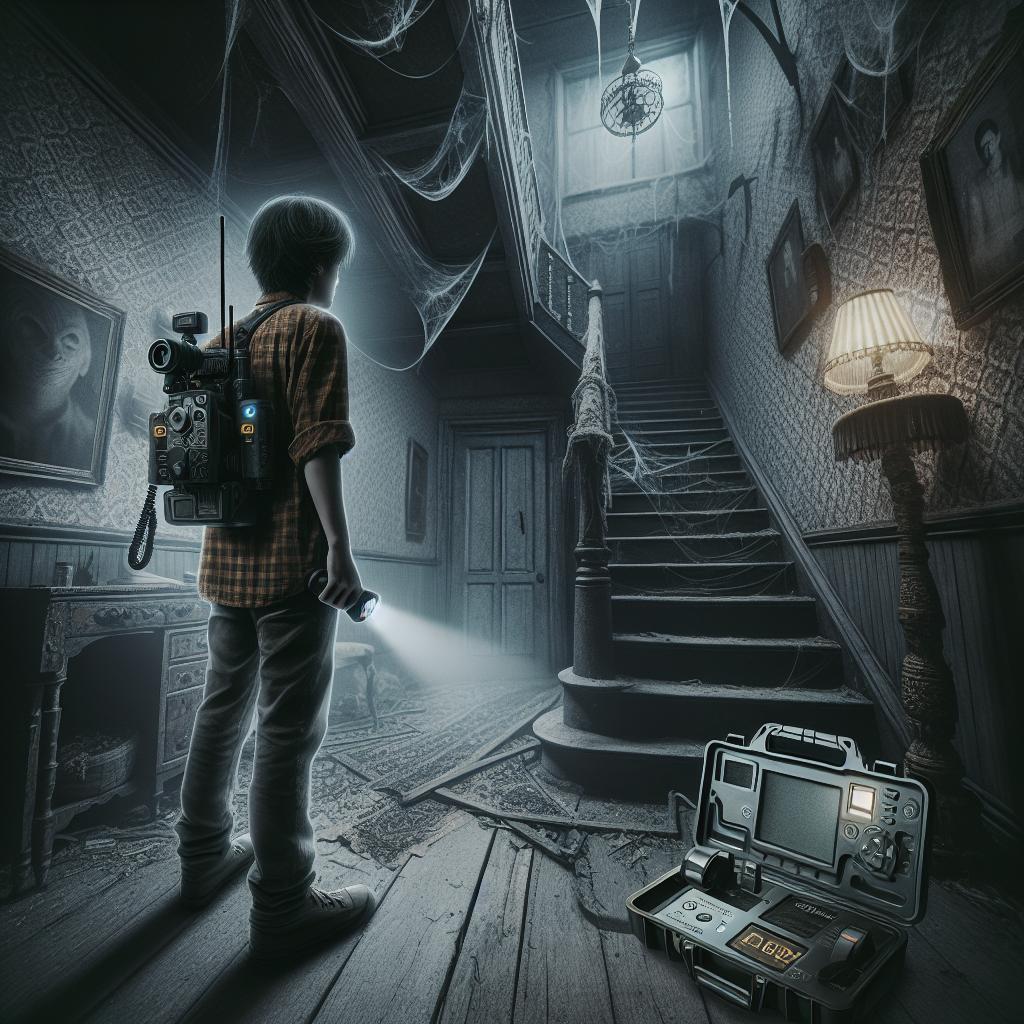
The practice combines elements of both art and science, involving a keen understanding of photography techniques as well as a sense of intrigue and open-mindedness about the supernatural. Many enthusiasts and researchers embark on ghost hunts with the aim of documenting the paranormal, often using a variety of equipment and techniques in their quest for evidence.
The History of Ghost Photography
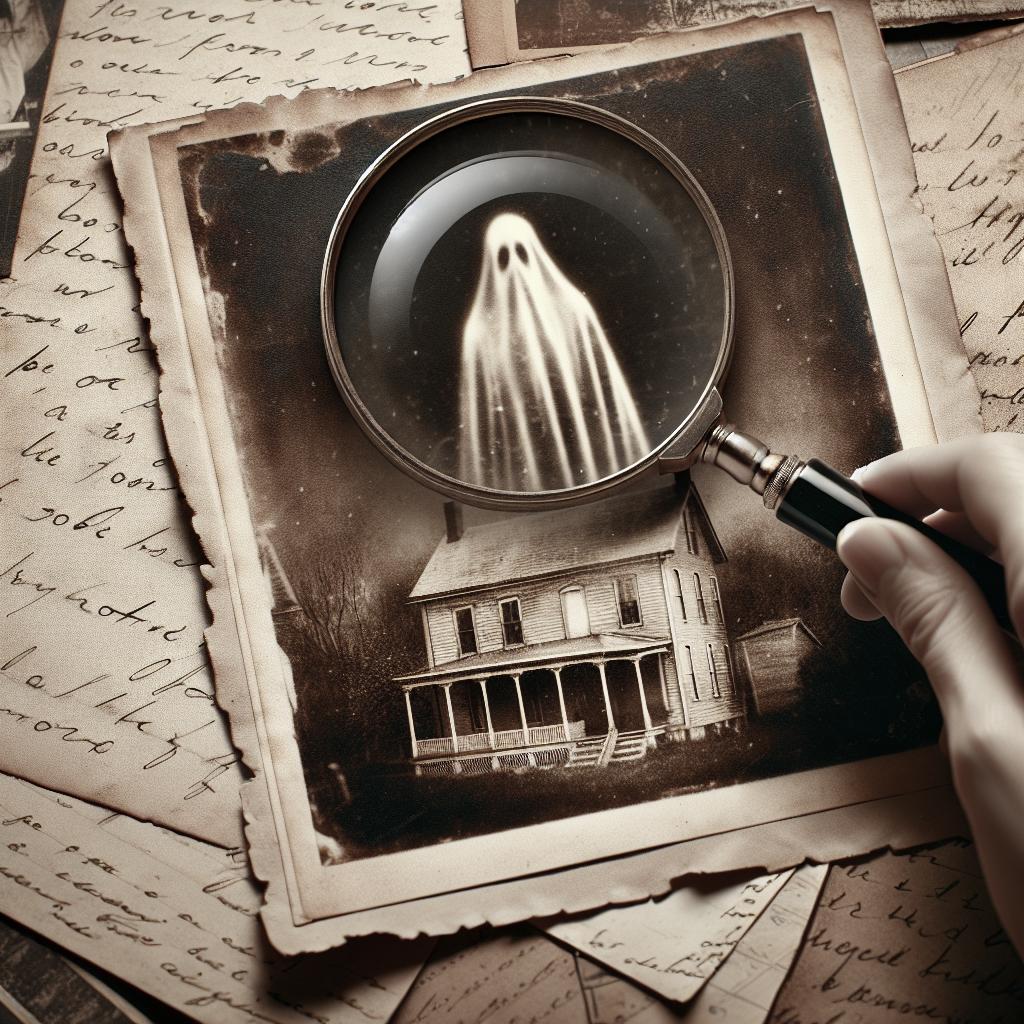
The journey of ghost photography can be traced back to the mid-19th century, coinciding with the invention of the camera itself. During this period, the spiritualism movement was gaining traction, and people were increasingly interested in communicating with the afterlife. Early photographic pioneers such as William H. Mumler claimed to capture images of spirits, sparking both fascination and controversy.
Throughout the 20th century, ghost photography evolved with advancements in technology. As cameras became more sophisticated, so did the methods used by both genuine photographers and those attempting to deceive. Despite technological advancements, the authenticity of ghost photographs remained a contentious issue, with many continuing to question whether these images truly capture the essence of the supernatural.
Types of Ghost Photography
4.1 Spirit Orbs
Spirit orbs are one of the most debated phenomena in ghost photography. They typically appear as circular, translucent spots on a photograph, often attributed to the presence of spirit energy. Believers argue these orbs may indicate the existence of paranormal entities, while skeptics suggest they are simply dust particles or insects caught in the flash.
Despite the controversy, spirit orbs continue to be a popular subject among amateur ghost hunters and paranormally inclined photographers, enticing them to examine each speck of light captured during their investigations.
4.2 Apparitions and Ectoplasm
Arguably the most compelling type of ghost photography involves apparitions—ghostly figures that appear to take on human form. These full or partial manifestations are often greeted with awe or fear, as they seem to display unmistakable characteristics of a departed spirit.
Ectoplasm, a term popularized in the early 20th century, refers to a mysterious substance said to exude from mediums during séances. Photographs claiming to capture ectoplasm have surfaced frequently, illustrating swirling mists or filaments, although many instances have been debunked as fraudulent.
4.3 Ghostly Figures and Shadows
Ghostly figures and shadows are a staple of ghost photography, with countless images depicting eerie human-like silhouettes. These figures are often caught unintentionally, lurking in the background or peering from windows, stirring curiosity and skepticism among spectators.
Shadows, in particular, present a unique type of ghostly capture. While often attributed to lighting angles and reflections, die-hard believers argue that shadows, especially when inexplicably positioned, may suggest paranormal activity.
4.4 Vortexes and Mists
Mists and vortexes are curious phenomena in ghost photography, characterized by swirling patterns that appear inexplicably within the frame. Mists often resemble clouds or fog, while vortexes manifest as spirals or streaks, seemingly indicating a supernatural presence.
These phenomena can sometimes be explained by environmental conditions such as humidity or camera malfunctions. Nonetheless, they remain a point of interest for ghost photography enthusiasts and paranormal investigators who strive to capture irrefutable evidence of otherworldly activity.
Equipment for Ghost Photography
5.1 Digital Cameras
Digital cameras are indispensable tools in modern ghost photography. Their high-resolution capabilities allow for detailed examination of images, potentially revealing minute details that could indicate supernatural elements. Many enthusiasts prefer using DSLR or mirrorless cameras due to their versatility and ability to capture images in challenging lighting conditions.
Digital cameras also offer the advantage of immediate reviewing, allowing ghost hunters to assess their captures on the spot and make necessary adjustments to their techniques.
5.2 Infrared and Night Vision Cameras
Infrared and night vision cameras have gained popularity in ghost photography due to their ability to capture images in low-light environments. These cameras detect infrared light, revealing hidden details in the darkness that might otherwise go unnoticed.
Using such equipment, photographers can venture into notoriously “haunted” locations that are often devoid of light, hoping to document spectral presences that are active during nighttime hours.
5.3 EMF Detectors
While not used to capture images directly, EMF (Electromagnetic Field) detectors are commonly employed during ghost hunting excursions. These devices measure fluctuations in electromagnetic fields, which are thought to accompany paranormal occurrences.
When anomalous readings are detected, photographers may focus their attention on those areas, capturing photographs in the hopes of spotting any concurrent spectral activity.
5.4 EVP Recorders
EVP (Electronic Voice Phenomena) recorders capture audio evidence of ghostly presence. Frequently paired with ghost photography, these recorders are used to detect disembodied voices or sounds that may provide context for visual anomalies captured within photographs.
Though not visual equipment, EVP recordings can inform a photographer’s approach, suggesting areas of heightened activity where photographic efforts should be concentrated.
Tips for Successful Ghost Photography
6.1 Choose the Right Location
Location selection is crucial in ghost photography. Known haunted sites, battlefields, historical landmarks, and old cemeteries often serve as ideal backdrops. Researching the history and reports of these areas can yield insights into potential hotspots for supernatural activity.
While venturing into notable haunted locales, it’s essential to observe any site-specific guidelines to ensure safety during photographic pursuits.
6.2 Understand the Lighting Conditions
Diverse lighting conditions can dramatically influence ghost photography. Ghost hunters often work in dimly lit environments, requiring an understanding of how lack of light affects camera settings and image composition.
Experimenting with different lighting techniques, such as using natural light, artificial sources, or long exposure, can enhance the quality and potential of one’s ghost photography endeavors.
6.3 Use a Tripod and Remote Shutter Release
Stability is essential in achieving clear ghost photographs. A sturdy tripod helps maintain a steady frame, minimizing blurring during long exposures. Pairing a tripod with a remote shutter release further reduces vibration risks when capturing images.
This combination delivers sharper results, especially crucial in dim conditions where even the slightest motion can compromise image quality.
6.4 Experiment with Different Settings
Photography settings—such as exposure, ISO, and aperture—can dramatically affect ghost photos. Experimenting with different configurations can allow photographers to adapt to changing conditions and increase the likelihood of capturing supernatural phenomena.
Versatility in settings allows photographers to remain prepared, adjusting for unexpected scenarios and fortifying their chances of success in producing compelling images.
6.5 Stay Patient and Open-Minded
Ghost photography requires patience; phenomena might not appear immediately, or at all, during any given session. Approaching each photographic excursion with an open mind, ready to embrace the unexpected, enhances the experience and yields positive results.
Remember, success in ghost photography does not always equate to capturing a definitive spirit image; often, it’s simply about embracing mysterious possibilities while respecting the journey.
Ethical Considerations in Ghost Photography
7.1 Respect for the Supernatural
Photographers must approach ghost photography with a respectful mindset. Given the potential involvement of spirits or energies, maintaining reverence for the supernatural ensures an ethical approach to capturing these phenomena.
Respect extends not only to the spirits themselves but also to the spaces and histories where ghost photography occurs.
7.2 Permission and Consent
In ghost photography, seeking permission to enter private properties or historically protected sites is crucial. Unauthorized access may not only be illegal but also risk damaging sensitive or important cultural locations.
When photographing others during séances or paranormal gatherings, consent must always be obtained to honor personal boundaries and privacy.
7.3 Sensitivity towards Cultural Beliefs
Cultural beliefs and practices are bound inherently to ghost photography, varying significantly from one region or community to another. Photographers should educate themselves on relevant customs and practices to remain sensitive to cultural views concerning the supernatural.
Embracing cultural diversity in the interpretation of ghost phenomena enriches the experience and fosters constructive dialogue regarding varying belief systems.
Common Misconceptions about Ghost Photography
8.1 Orbs and Dust Particles
The appearance of orbs often generates excitement among enthusiasts, yet many orbs can be attributed to dust particles, moisture, or other mundane factors. Clear differentiations remain crucial to understanding true paranormal anomalies.
Education and communication surrounding the origins of orbs aid in refining interpretation techniques, ensuring more scientifically grounded evaluations of captured phenomena.
8.2 Pareidolia and Matrixing
Pareidolia is a psychological phenomenon where individuals perceive familiar patterns, such as faces, within random stimuli. Similarly, matrixing refers to the inclination to connect irregular shapes into recognizable forms.
Such tendencies highlight the mind’s propensity to interpret ambiguous images, necessitating critical evaluation when assessing potential supernatural captures.
8.3 Photoshopped or Staged Images
With technological advancements in image editing, manipulated photographs are increasingly convincing, leading many to question ghost photo authenticity. Staged images, intended to deceive or entertain, compound skepticism further.
Critical assessment and cross-reference verification with credible sources are essential to discern legitimate captures from staged productions.
Famous Ghost Photographs
9.1 The Brown Lady of Raynham Hall
One of the most famous ghost photographs, The Brown Lady of Raynham Hall, allegedly captured the spirit of Lady Dorothy Walpole, residing within Raynham Hall, England. The spectral image taken in 1936 reveals a shrouded figure descending a staircase.
This photograph remains a significant touchstone in ghost photography discourse, igniting debates about authenticity and photographic integrity.
9.2 The Madonna of Bachelor’s Grove
The Madonna of Bachelor’s Grove, captured in 1991, is a striking image of a female figure seated in a reputedly haunted cemetery near Chicago. The photograph’s ethereal qualities have intrigued many, aligning with longstanding local folklore regarding spectral apparitions at the site.
Such images often provoke inquiries whether they depict genuine paranormal activity or simple tricks of light and imagination.
9.3 The Amityville Ghost Boy
The haunting image known as The Amityville Ghost Boy, allegedly captured within the notorious Amityville house in 1976, depicts a small child with glowing eyes peering from a room. The spectral photograph correlates with chilling accounts tied to the house’s infamous history.
This chilling capture continues to captivate and polarize audiences, fueling ongoing discussions surrounding its legitimacy.
The Impact of Ghost Photography
10.1 Promoting Paranormal Investigations
Ghost photography continues to incite fascination and curiosity, leading to a surge in paranormal investigations globally. Investigators seek solid evidence, benefiting from technological innovations that enhance capture abilities for spectral images.
The intrigue of ghost photography strengthens the communal spirit among enthusiasts committed to uncovering secrets hidden within supernatural realms.
10.2 Challenging Skepticism
Skeptics often challenge ghost photographs, citing logical explanations and demanding rigorous scientific methodology. While some images remain inexplicable, the dialogue between believers and skeptics enriches understanding of natural phenomena and the human psyche.
This ongoing dialectic challenges and refines methodologies, promoting a measured approach in both scientific inquiry and paranormal exploration.
10.3 Inspiring Curiosity and Wonder
Historic ghost photographs inspire imagination and curiosity, drawing individuals towards uncovering the veiled mysteries of existence. These images invite introspection and reflection, compelling individuals to question conventional understanding of reality.
Through ghost photography, a sense of wonder emerges, prompting exploration beyond the boundaries of material existence and shedding light on unseen dimensions.
Summary of Main Points
| Section | Key Points |
|---|---|
| Introduction | Overview of ghost photography, its intrigue, and the authenticity debate. |
| What is Ghost Photography? | Definition and purpose of capturing supernatural images. |
| The History of Ghost Photography | Origin in the 19th century and evolution alongside technological advancements. |
| Types of Ghost Photography | Explores spirit orbs, apparitions, ectoplasm, shadows, vortexes, and mists. |
| Equipment for Ghost Photography | Discusses cameras, infrared technology, EMF detectors, and EVP equipment. |
| Tips for Successful Ghost Photography | Suggestions for location selection, lighting, equipment use, settings, and mindset. |
| Ethical Considerations | Emphasizes respect, consent, and cultural sensitivity within ghost photography. |
| Common Misconceptions | Clarifies misunderstandings about orbs, pareidolia, and staged images. |
| Famous Ghost Photographs | Highlights notable examples, including The Brown Lady and Amityville Ghost Boy. |
| The Impact of Ghost Photography | Discusses effect on paranormal study, skepticism, and public curiosity. |
FAQs (Frequently Asked Questions)
Q1: Are ghost photographs real?
A1: The authenticity of ghost photographs varies, with some dismissing them as hoaxes while others believe they contain genuine supernatural elements.
Q2: What equipment is best for ghost photography?
A2: Digital cameras, infrared technology, and accessories like tripods are commonly used, complemented with EMF detectors and EVP recorders for investigations.
Q3: What are spirit orbs?
A3: Spirit orbs are light spots appearing in photos, often attributed to supernatural energy, though frequently explainable as dust or environmental factors.
Related
Explore related topics such as the history of paranormal investigations, famous haunted locations, and recent advancements in ghost hunting technology.
Trending Now
Discover the latest trends in ghost photography, virtual reality ghost hunts, and online communities dedicated to capturing and analyzing paranormal phenomena.
“`