“`html
How Does Folklore Shape Ghostly Experiences Across Cultures?
Ghost stories have fascinated humanity for centuries, swinging between fear and curiosity. This blog post delves into how folklore molds the way different cultures experience and interpret ghostly phenomena. By examining what defines a ghost, exploring early ghost sightings, and identifying famous historical ghosts, we uncover rich narratives that have crossed generations. Additionally, the article takes a tour of haunted places around the world, each with its backstory and cultural roots, illustrating folklore’s unique role in shaping experiences. Finally, we tackle citation information and fact-check the common myths and truths surrounding ghost stories. Embark on this supernatural journey to understand how folklore illuminates our darkest imaginations.
Table of Contents
- What Is a Ghost?
- Early Ghost Sightings
- Three Famous Historical Ghosts
- Haunted Places
- Citation Information
- Fact Check
What Is a Ghost?
Ghosts have been defined in various ways across cultures, often described as the spirit or soul of a deceased individual or animal, manifesting themselves to the living. The perception of ghosts has oscillated from benign spirits to vengeful apparitions seeking closure or revenge. Whether seen as guides from the afterlife or exemplars of unfinished business, ghosts are an intrinsic part of the human understanding of death and what may follow.
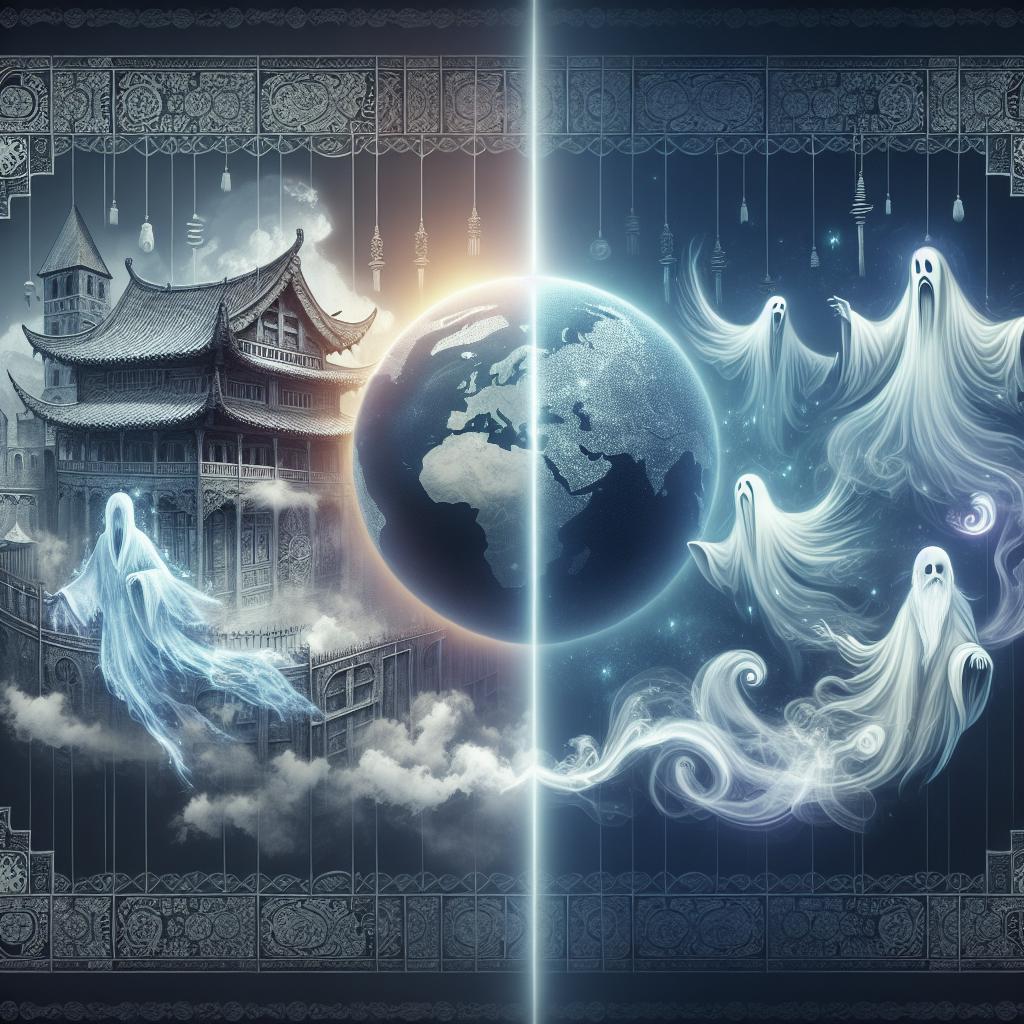
In Western beliefs, ghosts tend to be interpreted as spectral apparitions, visible and sometimes audible, an echo of a person who once lived. This contrasts with African and Indigenous beliefs, where spirits may take on more abstract forms, serving as intermediaries between the living and the supernatural world. The cultural framework significantly influences how these entities are perceived and interact with the living, offering insight into cultural attitudes towards death and the afterlife.
Early Ghost Sightings
Reports of ghost encounters date back to ancient civilizations, with some of the earliest documented sightings from ancient Egypt and Mesopotamia. Both cultures viewed ghosts as supernatural characters that could cause harm if not appropriately appeased. Texts like the ‘Epic of Gilgamesh’ depict restless spirits returning to the earth to resolve unfinished matters, a theme familiar in many ghost narratives today.
In ancient Rome, it was believed that all living humans would become spirits upon death, either haunting earthly places or transitioning to the afterlife in peace. Livy, the Roman historian, recorded numerous stories of apparitions that influenced public events and decision-making. These ghost stories were passed down, serving not only as supernatural accounts but also as moral lessons emphasizing the importance of rituals and the peril of hubris.
Three Famous Historical Ghosts
The concept of ghosts has yielded many famous tales throughout history. One such tale is that of Anne Boleyn, the second wife of King Henry VIII of England, executed in 1536. Her ghost is said to haunt the Tower of London, headless and wandering, a stark reminder of political machinations and injustices.
Another renowned spirit is that of the ‘Brown Lady’ of Raynham Hall in Norfolk, England. Captured on film in 1936, this ghost is reputed to be Lady Dorothy Walpole, who purportedly died under mysterious circumstances. Her story is a classic example of how photography revitalized interest and belief in spectral phenomena.
Away from Europe, in Japan, the ghost of Oiwa, a character from the Yotsuya Kaidan stories, has been a recurrent subject in cultural narratives. Her story of love, betrayal, and vengeance is deeply ingrained in Japanese theatre and cinema, illustrating the region’s distinct approach to storytelling and spirituality.
Haunted Places
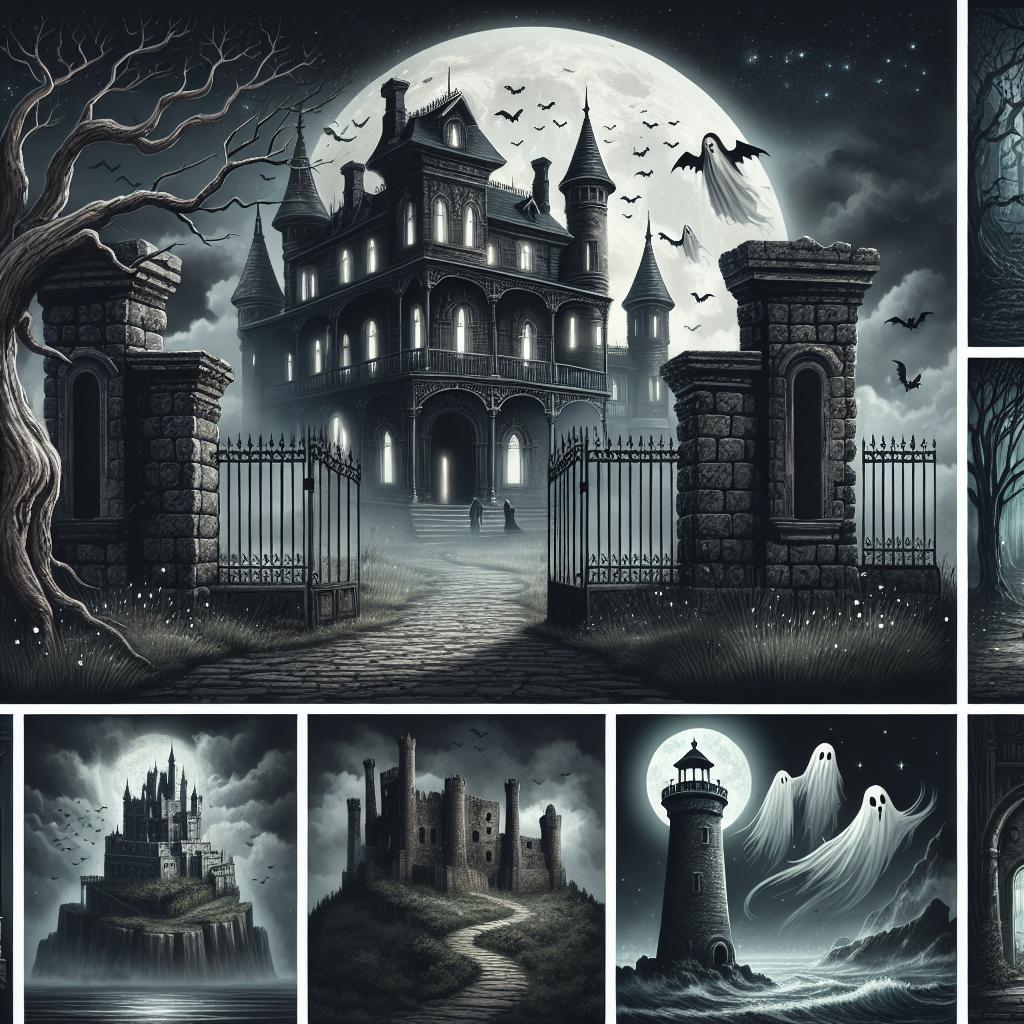
Places believed to be haunted often become focal points for those interested in the supernatural, with folklore deeply influencing their legacies. The Stanley Hotel in Colorado, USA, inspired Stephen King’s ‘The Shining,’ adding further intrigue to its supposed hauntings by several benevolent spirits. This example shows how supernatural myths can integrate with pop culture, increasing interest and tourism.
Similarly, the haunted Bhangarh Fort in India is cloaked in eerie legends of curses and doomed love, holding firmly to its title as one of the most haunted spots in the world. Entry is forbidden after sunset, but its mystique draws in scores of visitors during daylight hours, demonstrating the powerful allurement of ghostly lore in tourism.
In Australia, the Fremantle Arts Centre, originally a lunatic asylum, is known for eerie occurrences and ghost tours that recount stories of past patients. Such haunted locales not only enrich cultural narratives but also contribute economically through an ever-growing fascination with the paranormal.
Citation Information
Citing historical and cultural accounts is crucial for understanding the development of ghostly folklore. Primary sources such as ancient texts, legends, and documented accounts shape our grasp of ghost stories and their impact over centuries. Reliable resources, like historical archives, academic texts, and folklore journals, aid in constructing an accurate picture of the spectral tales prevalent across the globe.
Equally important are contemporary studies that explore psychological and sociological perspectives on ghost beliefs and experiences. By combining historical approaches with modern analysis, a comprehensive view of how folklore influences ghostly encounters emerges. Such endeavors require a critical evaluation of sources to distinguish between fact, embellishment, and literary interpretation.
Fact Check
The supernatural realm is rife with myths and misconceptions that require careful scrutiny. While some ghost stories have historical roots, many are steeped in exaggeration or misinterpretation. Fact-checking involves cross-referencing tales with verifiable sources, correcting misconceptions, and offering context to audiences led by curiosity and intrigue.
For example, analyzing purported ghost photographs or videos with technology can debunk hoaxes or confirm anomalies, adding credibility or clarity to ghost lore. By seeking truth, one respects both cultural folklore and scientific analysis, highlighting the complexity of ghostly narratives and their place in a skeptical modern world.
Understanding that some hauntings derive more from cultural tradition than empirical evidence allows for an appreciation of ghost stories as cultural artifacts. These narratives, while sometimes debunked, continue to captivate us, promoting dialogue between belief systems and empirical scrutiny.
Future Prospects
| Section | Content Summary |
|---|---|
| What Is a Ghost? | Explores the definition of ghosts across different cultures, highlighting various perceptions and the role of cultural beliefs in shaping ghostly interpretations. |
| Early Ghost Sightings | Discusses the documentation and significance of early ghost sightings from ancient civilizations like Egypt, Mesopotamia, and Rome. |
| Three Famous Historical Ghosts | Covers renowned ghost tales such as Anne Boleyn, the ‘Brown Lady’ of Raynham Hall, and Oiwa of Japan, emphasizing their cultural contexts. |
| Haunted Places | Provides an overview of famous haunted locations worldwide, illustrating how folklore influences tourism and local narratives. |
| Citation Information | Highlights the importance of citing credible sources for understanding ghost folklore through historical and contemporary perspectives. |
| Fact Check | Discusses the role of fact-checking in separating myth from truth in ghost stories, emphasizing the balance between cultural storytelling and empirical evidence. |
“`